Getting Consistent Results From Your Leak Tester
Inconsistent leak test results are almost always tied to one of a few things: the instrument’s calibration, the test fixture, the surrounding environment, or the test parameters themselves. Working through these systematically is the fastest way back to reliable, repeatable results.
|
17
Accredited laboratories
|
3
Continents
|
+35
Countries covered
|
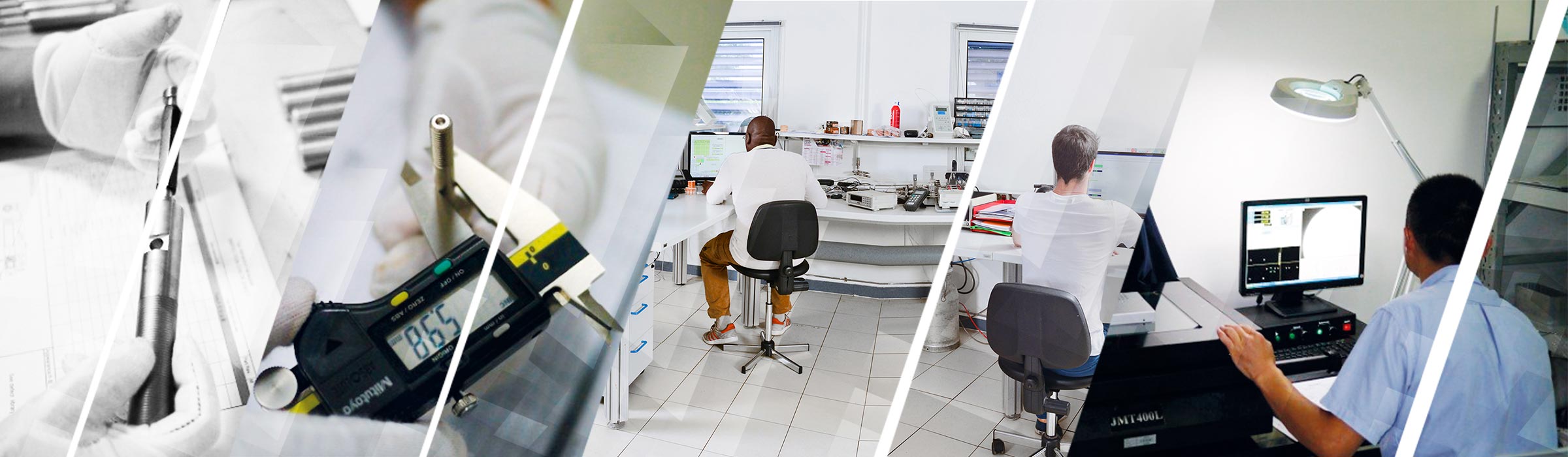
ATEQ operates a global network of accredited calibration laboratories, spanning three continents and supporting customers in more than 35 countries, so wherever your production runs, certified calibration support is close by.
Start With Calibration
Regular calibration is the foundation of accurate leak testing. Without it, even a well-built instrument can drift out of tolerance over time. ATEQ recommends checking calibration on a regular schedule, more frequently for high-usage equipment or mission-critical applications, and offers ISO 17025-accredited calibration services to help manufacturers stay compliant and audit-ready.
A few signs that recalibration may be needed sooner than planned:
- Inconsistent or unexpected test results
- Instrument errors or failures
- Failed quality audits
- Equipment that has been moved, damaged, or reconfigured
The Four Causes at a Glance
| Cause | What to Check |
|---|---|
| Calibration | Confirm the instrument is within its calibration schedule and reading true against a certified reference. |
| Fixture | Check seals, connectors, and the part-to-fixture fit for wear or contamination. |
| Environment | Look for drafts, vibration, or parts that haven’t reached a stable temperature. |
| Test Parameters | Make sure settings are matched to the specific part, not reused from a different geometry. |
Check the Fixture and the Environment
A leak-tight connection between the part and the test circuit is essential. Worn seals, fixtures that seat parts inconsistently, or contamination on sealing surfaces can all read back as part variability rather than a fixture issue.
The environment matters too. Leak testers are sensitive by design, so drafts, vibration, or parts that haven’t reached a stable temperature can all affect a reading.
Make Sure Parameters Match the Part
Test parameters should always be set for the specific part being tested. Reusing settings from a different part or geometry is a common source of noisy or inconsistent results.
Work With a Trusted Partner
Reliable leak testing depends on the discipline behind it as much as the instrument itself. ATEQ supports manufacturers with calibration, service, and application expertise to help keep production testing accurate and repeatable.
Contact our team to learn more about calibration and support options for your leak testing equipment.