Which Differential Leak Testing Equipment Do Aerospace Manufacturers Use?
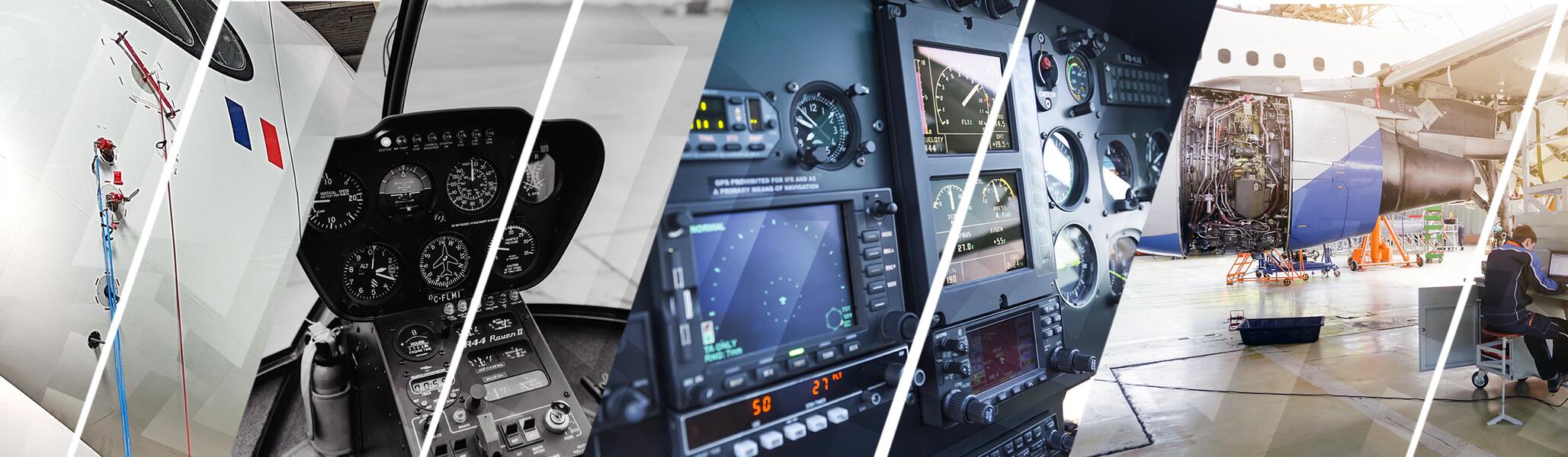
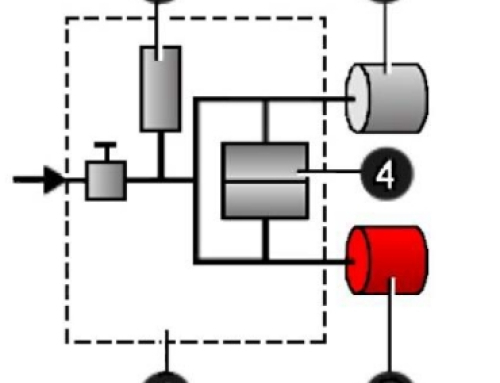
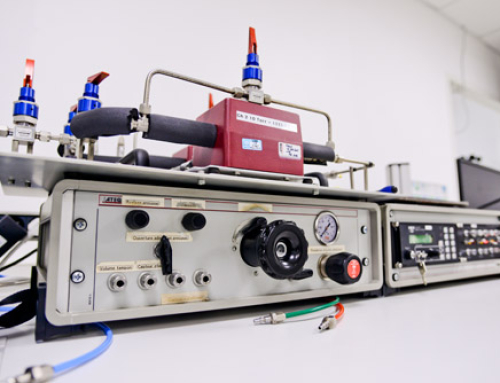
Aerospace manufacturers typically rely on differential pressure decay leak testers for the components where weight, reliability, and traceability all matter at once: fuel system parts, hydraulic assemblies, fittings, valves, and sealed housings. The equipment has to combine high measurement resolution, full traceability, and compliance with aerospace quality standards, while keeping up with both low-volume, high-mix production and higher-volume component lines.
Why Aerospace Leak Testing Has Different Requirements
There’s zero tolerance for undetected leaks. A fuel line fitting, hydraulic actuator, or pressurized cabin component that passes a leak test but fails in service isn’t a warranty issue, it’s a flight safety issue. That’s what pushes aerospace leak test specifications toward differential pressure decay technology, which offers better resolution on small leaks than simpler absolute-pressure methods.
Traceability isn’t optional either. Aerospace quality systems require every test result to trace back to a specific part serial number, the test parameters used, the calibration status of the equipment, and the operator.
Where This Shows Up in Aerospace Production
- Fuel system components – fittings, valves, and manifolds, where even a microleak is unacceptable
- Hydraulic system components – actuators, cylinders, and connectors operating at high pressure
- Pneumatic and pressurized cabin components – where leak rate directly affects system performance
- Welded and brazed assemblies – checked for joint integrity after a thermal joining process, where porosity is a known risk
- Additively manufactured (3D-printed) metal parts – where internal porosity can’t be seen from the outside
What Aerospace-Grade Equipment Requires
Measurement resolution and repeatability come first. For safety-critical components, the tester’s resolution needs real headroom below the smallest leak rate that matters, not just enough to pass on paper.
Multi-part-number flexibility matters just as much in a high-mix environment. Recipe-based test programs that store parameters per part number let one instrument serve a wide product range without manual reconfiguration.
Documented calibration and data traceability need to be built in, not bolted on. Calibration support and full test data logging support internal quality systems and customer audits alike.
Choosing Equipment for a Qualified Test Process
In aerospace manufacturing, the leak test method is frequently locked into a qualified process. Once a differential leak tester and its parameters are validated against a part specification, changing equipment isn’t a simple swap, which makes the initial selection matter more than it would in a less regulated industry.
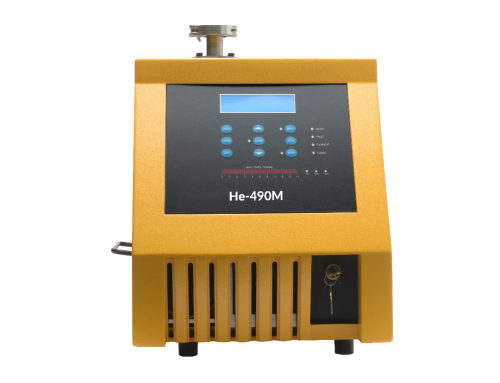
ATEQ supplies differential leak testers used across aerospace component manufacturing, built with the resolution, recipe management, and data traceability needed to support qualified test processes on safety-critical parts.
Contact our team to learn more about leak testing solutions for aerospace and defense applications.